

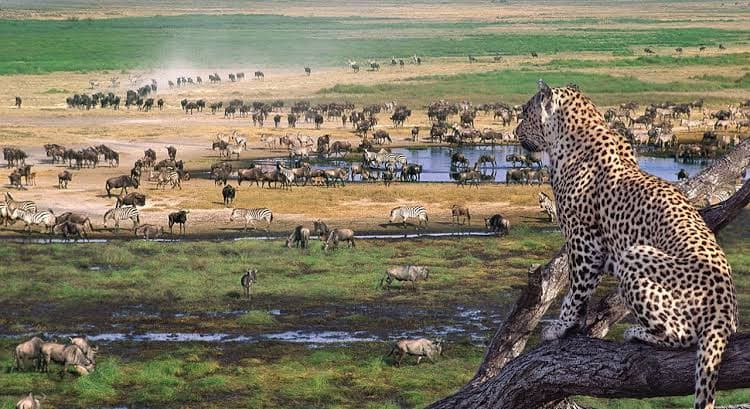
Tanzania Safari Guide
From the endless plains of the Serengeti to the spice-scented shores of Zanzibar — discover Africa's most iconic safari destination.
Tanzania is the jewel of East Africa — a land of staggering natural beauty, unrivalled wildlife spectacles, and a tapestry of cultures that stretches back millennia. Home to the legendary Serengeti, the awe-inspiring Ngorongoro Crater, the snow-capped peak of Mount Kilimanjaro, and the idyllic beaches of Zanzibar, Tanzania offers a safari experience that is simply without equal.
Whether you dream of witnessing millions of wildebeest thundering across the plains during the Great Migration, tracking chimpanzees through ancient forests, summiting Africa's highest peak, or unwinding on powder-white sands fringed by turquoise waters, Tanzania delivers on every front. With over a third of its land dedicated to conservation, this remarkable country is a living ark for some of the planet's most extraordinary wildlife.
At C.A.T.S Safaris, we've spent years exploring every corner of Tanzania and have built deep relationships with the finest camps, lodges, and local communities. Our expert team crafts bespoke itineraries that go far beyond the ordinary — let us help you discover the Tanzania that few travellers ever see.
🌍 Why Visit Tanzania
Tanzania consistently ranks among the world's greatest safari destinations, and for good reason. This is a country that packs an extraordinary concentration of natural wonders into a single destination — no other African nation can match the combination of the Serengeti's endless savannahs, the geological marvel of Ngorongoro Crater, the soaring peak of Kilimanjaro, and the tropical paradise of Zanzibar.
The numbers speak for themselves: Tanzania protects more than 38% of its land area in national parks, game reserves, and conservation areas. It is home to the largest concentration of wild animals on the African continent, including all of the Big Five. The country boasts 16 national parks, over 1,100 species of birds, and some of the most biodiverse marine environments in the Indian Ocean.
But Tanzania is far more than its wildlife. With over 120 ethnic groups living in harmony, it offers one of Africa's richest cultural experiences. The warmth of the Tanzanian people, captured in the Swahili greeting Karibu (welcome), is legendary. From the ancient rock art of Kondoa to the labyrinthine streets of Zanzibar's Stone Town, there is history and heritage at every turn.
- The Great Migration — the largest movement of land animals on Earth, right before your eyes
- Ngorongoro Crater — a UNESCO World Heritage Site and the world's largest unbroken volcanic caldera
- Mount Kilimanjaro — Africa's tallest peak and the highest free-standing mountain in the world
- Zanzibar — a spice island paradise with centuries of Swahili, Arab, and Portuguese heritage
- Remarkable diversity — from alpine moorlands to coral reefs, tropical forests to alkaline lakes

🦁 Wildlife & Safari
Tanzania is, quite simply, one of the finest wildlife destinations on Earth. The Serengeti alone hosts an estimated 1.5 million wildebeest, 300,000 zebra, and hundreds of thousands of gazelle — together forming the Great Migration, a year-round cycle of movement that reaches its dramatic climax during river crossings between July and October. Watching thousands of wildebeest plunge into the crocodile-infested Mara River is one of nature's most breathtaking spectacles.
All of the Big Five — lion, leopard, elephant, buffalo, and rhino — can be found across Tanzania's parks. The Serengeti is home to one of Africa's largest lion populations, while the Ngorongoro Crater offers perhaps the densest concentration of predators anywhere on the continent. Tarangire National Park is famous for its enormous elephant herds, sometimes numbering in the hundreds, and Selous (Nyerere) National Park shelters one of Africa's largest populations of wild dogs.
Beyond the iconic megafauna, Tanzania rewards the observant traveller with remarkable biodiversity:
- Primates — Mahale Mountains and Gombe Stream are among the best places in the world to track wild chimpanzees, while Zanzibar is home to the rare red colobus monkey
- Birdlife — over 1,100 species including flamingos massing on the alkaline lakes of the Rift Valley, lilac-breasted rollers, and the prehistoric-looking shoebill stork
- Marine life — whale sharks off Mafia Island, sea turtles nesting on Zanzibar's beaches, and vibrant coral reefs teeming with tropical fish
- Nocturnal species — night drives in certain parks reveal aardvarks, civets, bush babies, and pangolins
Our experienced safari guides know exactly where to position you for the best wildlife encounters, whether you're a keen photographer or a first-time safari visitor. We recommend combining at least two or three parks to experience the full diversity Tanzania has to offer.

🏞️ National Parks & Reserves
Tanzania's network of national parks and reserves is the backbone of its world-class safari industry. Each park has its own distinct character, landscapes, and wildlife specialities — and combining several parks into one itinerary is the best way to experience the country's extraordinary variety.
The Northern Circuit
The northern circuit is Tanzania's most popular safari route and includes some of Africa's most celebrated parks:
- Serengeti National Park — Tanzania's flagship park, famous for the Great Migration, vast lion prides, and endless golden plains. A park that changes character with the seasons but never disappoints.
- Ngorongoro Conservation Area — the spectacular crater floor is a natural amphitheatre teeming with wildlife, including the endangered black rhino. The highlands surrounding the crater are equally stunning.
- Tarangire National Park — a dry-season gem where massive elephant herds congregate around the Tarangire River, framed by ancient baobab trees. One of our favourite parks for intimate, uncrowded game drives.
- Lake Manyara National Park — a compact but rewarding park known for tree-climbing lions, large baboon troops, and vast flocks of flamingos along the alkaline lake shore.
- Arusha National Park — a beautiful mosaic of habitats from montane forest to alpine meadows, with Mount Meru as a dramatic backdrop. Perfect for walking safaris and a gentle introduction to Tanzania.
The Southern Circuit
For travellers seeking a more remote, exclusive experience, the southern parks deliver:
- Nyerere National Park (formerly Selous) — Africa's largest game reserve offers boat safaris, walking safaris, and superb wild dog sightings in a vast wilderness with very few other visitors.
- Ruaha National Park — Tanzania's largest national park is a rugged, off-the-beaten-path paradise with huge elephant and buffalo herds, excellent predator action, and a fraction of the visitor numbers.
- Mikumi National Park — easily accessible from Dar es Salaam, Mikumi's open grasslands offer reliable Big Five sightings and make an excellent short safari option.
The Western Parks
Tanzania's western frontier is wild, remote, and utterly unforgettable:
- Katavi National Park — one of Africa's most remote parks, where enormous herds of buffalo and hippo congregate during the dry season in scenes reminiscent of a bygone era.
- Mahale Mountains National Park — a magical lakeside wilderness on the shores of Lake Tanganyika, home to one of the largest known populations of wild chimpanzees.
Our team knows these parks intimately and can design an itinerary that perfectly balances iconic highlights with off-the-beaten-path discoveries.

🏝️ Zanzibar & Islands
No Tanzania itinerary is complete without time on the coast, and there is nowhere quite like Zanzibar. This enchanting archipelago lies just a short flight from the mainland and offers the perfect counterpoint to the dusty thrill of safari — think powder-white beaches, crystalline waters, centuries-old Stone Town, and the intoxicating aroma of cloves, vanilla, and cinnamon drifting through the air.
Stone Town
The heart and soul of Zanzibar, Stone Town is a UNESCO World Heritage Site and one of Africa's most atmospheric urban centres. Its labyrinthine alleyways are lined with carved wooden doors, crumbling palaces, bustling bazaars, and ancient mosques. Explore the former Sultan's Palace, the House of Wonders, and the poignant history of the old slave market. As evening falls, head to Forodhani Gardens night market for sizzling Zanzibar pizza, fresh seafood skewers, and sugarcane juice.
Beaches & Relaxation
Zanzibar's beaches are legendary. The east coast offers pristine stretches of sand and turquoise lagoons, while the north coast around Nungwi and Kendwa is famous for stunning sunsets and vibrant beach bars. For a more secluded experience, the smaller islands of Mnemba, Chumbe, and Mafia offer barefoot luxury and world-class marine life.
Ocean Adventures
- Diving & snorkelling — the coral reefs around Mnemba Atoll and Chumbe Island are among the best in East Africa, teeming with tropical fish, turtles, and dolphins
- Whale shark encounters — Mafia Island offers seasonal whale shark swimming from October to March
- Dhow sailing — cruise the Indian Ocean aboard a traditional wooden sailing vessel at sunset
- Spice tours — visit working spice plantations and discover why Zanzibar is known as the Spice Island
- Jozani Forest — trek through this ancient forest to spot the endemic Zanzibar red colobus monkey
We recommend spending at least three to four nights on Zanzibar after your mainland safari — it's the ideal way to relax, reflect on your wildlife encounters, and soak up the unique Swahili culture of the coast.

🎭 Culture & People
Tanzania is one of Africa's most culturally diverse nations, home to over 120 distinct ethnic groups who live together in remarkable harmony. This peaceful coexistence is a source of deep national pride and is woven into the fabric of everyday life through the unifying Swahili language and the philosophy of ujamaa — community and togetherness.
The Maasai
Perhaps Tanzania's most recognisable cultural group, the Maasai are semi-nomadic pastoralists known for their vibrant red shúkà robes, intricate beadwork, and deep spiritual connection to the land and their cattle. Many safari itineraries include a visit to a Maasai boma (village), where you can learn about their traditions, cattle-herding way of life, and the famous adumu jumping dance. In the Ngorongoro Conservation Area, Maasai communities continue to live alongside wildlife as they have for centuries.
The Hadzabe
Near Lake Eyasi, the Hadzabe people maintain one of the last true hunter-gatherer lifestyles on Earth. A visit to a Hadzabe camp is a profoundly humbling experience — you can join a morning hunt with bows and arrows, learn about their click language, and gain insight into a way of life that stretches back tens of thousands of years.
Swahili Heritage
Along the coast and on Zanzibar, centuries of trade with Arabia, Persia, India, and Portugal have created the rich Swahili culture. This is visible in the architecture of Stone Town, the flavours of coastal cuisine, the sounds of taarab music, and the rhythms of daily life shaped by the call to prayer and the monsoon winds.
Art, Music & Festivals
- Tingatinga art — Tanzania's most famous art movement, featuring bold, colourful paintings of wildlife and daily life
- Taarab music — a mesmerising blend of Swahili poetry, Arabic melodies, and Indian rhythms, best experienced live in Stone Town
- Makonde carving — intricate wooden sculptures from the Makonde people of southern Tanzania, prized by collectors worldwide
- Zanzibar International Film Festival (ZIFF) — East Africa's largest cultural festival celebrating film, music, and art
- Tanzanite — this stunning blue-violet gemstone is found only in Tanzania, near the foothills of Kilimanjaro
We encourage all our guests to include cultural experiences in their itinerary — these authentic encounters with Tanzania's people add depth and meaning to any safari.

⛰️ Adventure Activities
Tanzania is an adventurer's paradise. Beyond the game drives, this diverse country offers a thrilling array of activities for those who want to push their boundaries, from scaling Africa's highest peak to diving pristine coral reefs.
Mount Kilimanjaro
Standing at 5,895 metres, Mount Kilimanjaro is the roof of Africa and the world's tallest free-standing mountain. Climbing Kili is a bucket-list experience that takes trekkers through five distinct climate zones — from tropical rainforest to arctic summit. Several routes cater to different fitness levels and preferences, with the Machame and Lemosho routes being our most recommended for their scenery and acclimatisation profiles. No technical climbing experience is required, but proper preparation is essential.
Walking & Fly-Camping Safaris
For a truly immersive bush experience, walking safaris take you off the vehicle and into the African wilderness on foot. Led by armed rangers and expert guides, these walks transform your understanding of the ecosystem — suddenly you notice the tracks, the birdsong, the medicinal plants, and the sheer thrill of being at ground level with the wildlife. Fly-camping — sleeping under the stars in a remote bush camp — adds another dimension entirely.
Water Adventures
- Scuba diving — world-class dive sites around Zanzibar, Mafia Island, and Pemba, with pristine coral walls and abundant marine life
- Boat safaris — explore the waterways of Nyerere National Park by boat, getting up close to hippos, crocodiles, and waterbirds
- Kayaking — paddle through mangroves and along Zanzibar's coastline
- Deep-sea fishing — the waters off Mafia and Zanzibar offer excellent game fishing
Aerial Experiences
- Hot air balloon safaris — drift silently over the Serengeti at dawn, watching the plains come to life from above. One of Africa's most unforgettable experiences
- Scenic flights — light aircraft transfers between parks double as breathtaking aerial tours of the landscape
Other Adventures
- Mount Meru — Kilimanjaro's lesser-known neighbour is a fantastic trek in its own right, passing through forest inhabited by buffalo and colobus monkeys
- Mountain biking — explore the foothills around Arusha and the rim of the Ngorongoro Crater on two wheels
- Canopy walks — elevated walkways through the forest canopy in Lake Manyara and other parks
Our team can weave any of these activities into your safari itinerary for the ultimate Tanzanian adventure.

👨👩👧👦 Family Safaris
Tanzania is one of Africa's finest family safari destinations, offering experiences that captivate children and adults alike. There's nothing quite like watching your child's face light up as they spot their first elephant, or sharing the wonder of a Serengeti sunset together. These are the memories that last a lifetime.
Best Parks for Families
Not all parks are created equal when it comes to family safaris. Our top recommendations:
- Ngorongoro Crater — the enclosed crater floor means wildlife is always nearby, keeping young attention spans engaged. Game drives here are typically shorter and action-packed.
- Tarangire National Park — the elephants here are wonderfully relaxed and often approach very close to vehicles, creating magical encounters for children
- Serengeti National Park — older children will be enthralled by the predator action and, if timed right, the spectacle of the Great Migration
- Zanzibar — the perfect family beach destination to end a safari, with safe swimming, snorkelling, dolphin trips, and spice tours to keep everyone entertained
Family-Friendly Activities
- Junior ranger programmes — many lodges offer guided nature walks, bush skills lessons, and wildlife tracking for younger guests
- Cultural village visits — children love learning about Maasai life, trying on beadwork, and watching traditional dances
- Beach activities — sandcastle building, snorkelling, kayaking, and dhow sailing on Zanzibar
- Cooking classes — learn to make Swahili dishes together as a family
- Stargazing — far from city lights, the African night sky is astonishing
Practical Tips for Families
We generally recommend Tanzania for families with children aged six and above, as many parks and lodges have minimum age requirements for game drives and walking activities. That said, private vehicle safaris offer flexibility for younger families, and several lodges welcome children of all ages with dedicated family suites and childcare facilities.
Our family safari specialists will design an itinerary that balances exciting wildlife encounters with enough downtime to keep everyone happy — because a relaxed family is a happy family on safari.

🍽️ Cuisine
Tanzanian cuisine reflects the country's incredible cultural diversity, blending indigenous African cooking traditions with Arab, Indian, and European influences. From the aromatic spice-infused dishes of the coast to the hearty staples of the interior, food in Tanzania is an adventure in itself.
Mainland Favourites
On the mainland, meals are often centred around ugali (a stiff maize porridge) or wali (rice), served alongside richly flavoured stews, grilled meats, and fresh vegetables. Street food is a huge part of Tanzanian culture, and the best flavours are often found at the simplest roadside stalls.
Coastal & Zanzibar Cuisine
The coast is where Tanzanian food truly comes alive. Centuries of spice trade have infused the cuisine with cardamom, cloves, cinnamon, turmeric, and coconut — creating dishes that are fragrant, complex, and utterly delicious. Zanzibar's Forodhani Gardens night market is a must-visit culinary experience.
What to Try
- Pilau — fragrant spiced rice cooked with meat, a celebration dish influenced by Indian and Arab cooking
- Mishkaki — marinated meat skewers grilled over charcoal, Tanzania's beloved street food
- Zanzibar pizza — a crispy, stuffed crepe filled with meat, vegetables, egg, and cheese — nothing like Italian pizza but absolutely addictive
- Nyama choma — slow-grilled meat (usually goat or beef) seasoned simply with salt and lime
- Octopus curry — a Zanzibari speciality simmered in coconut and spice
- Chipsi mayai — chips omelette, a popular and filling street snack
- Mandazi — sweet, pillowy fried dough, perfect with morning chai
- Fresh seafood — lobster, prawns, red snapper, and king fish grilled to perfection on the coast
Drinks
Tanzania produces some of East Africa's finest coffee, grown on the slopes of Kilimanjaro and in the Southern Highlands. Chai (tea) spiced with ginger and cardamom is enjoyed throughout the day. Fresh tropical juices — mango, passion fruit, tamarind — are everywhere, and the locally brewed Safari Lager and Kilimanjaro Beer are refreshing after a long day on safari.
On safari, you'll find that lodge and camp cuisine has reached impressive heights, with talented chefs creating gourmet meals using fresh local ingredients — often enjoyed under the stars or overlooking a waterhole.

🎭 Cultural Experiences
Maasai Heritage
The Maasai of northern Tanzania are among Africa's most iconic peoples. Their semi-nomadic lifestyle revolves around cattle herding, and their vibrant culture — marked by distinctive red robes, intricate beadwork, and the famous jumping dance — has endured for centuries alongside Tanzania's wildlife.
Hadzabe Hunter-Gatherers
The Hadzabe people near Lake Eyasi are one of the last remaining hunter-gatherer societies on Earth. Spending a morning with them — hunting with handmade bows, foraging for wild honey, and learning their ancient click language — is one of Tanzania's most profound cultural experiences.
Zanzibar's Stone Town
A UNESCO World Heritage Site, Stone Town is a living museum of Swahili, Arab, Persian, Indian, and European influences. Its narrow alleyways, ornately carved doors, ancient mosques, and vibrant markets tell the story of centuries of trade, culture, and history across the Indian Ocean.
Tingatinga Art
Born in Dar es Salaam in the 1960s, the Tingatinga art movement produces bold, colourful paintings depicting wildlife, village life, and the spirit of Tanzania. Today it is one of Africa's most recognised art styles, and visiting a Tingatinga workshop is a wonderful way to support local artists.
Makonde Woodcarving
The Makonde people of southern Tanzania are renowned for their intricate wood carvings, from the symbolic ujamaa (family tree) sculptures to abstract shetani (spirit) figures. These masterful works are prized by collectors worldwide and represent one of Africa's richest carving traditions.
Taarab Music
Taarab is Zanzibar's signature musical genre — an enchanting fusion of Swahili poetry, Arabic melodies, Indian harmonies, and African rhythms. Best experienced live in Stone Town's intimate venues, it captures the essence of the island's multicultural heritage.
🍽️ Tanzanian Cuisine
Pilau
Fragrant spiced rice cooked with meat, cardamom, cinnamon, cumin, and cloves. A celebration dish with Arab and Indian influences, pilau is the centrepiece of special occasions across Tanzania.
Mishkaki
Marinated meat skewers grilled over charcoal, found at street stalls and restaurants throughout the country. The tender, smoky meat is typically served with fresh lime and chilli sauce.
Zanzibar Pizza
A unique street-food creation — thin dough stuffed with minced meat, onions, peppers, egg, and cheese, then folded and fried until crispy. Best enjoyed fresh from the Forodhani Gardens night market.
Ugali na Nyama
The quintessential Tanzanian meal: stiff maize porridge served with slow-cooked meat stew. Simple but deeply satisfying, ugali is the staple food that fuels the nation.
Octopus Curry
A coastal delicacy where tender octopus is simmered in a rich coconut sauce with turmeric, ginger, and fresh chillies. Particularly popular on Zanzibar, where octopus fishing is a way of life.
Chipsi Mayai
Tanzania's beloved street-food omelette — chips fried into a thick egg mixture to create a hearty, crispy snack. Simple, affordable, and absolutely delicious.
Mandazi
Sweet, pillowy fried dough flavoured with coconut and cardamom. These East African doughnuts are the perfect companion to a cup of spiced chai.
Pweza wa Nazi
Grilled octopus in coconut sauce, a Zanzibari coastal classic. The octopus is first marinated in lime and spices, grilled over open flame, then finished in creamy coconut milk.
📍 Top Tanzania Destinations
Discover the most iconic parks, reserves, and coastal gems that make Tanzania a world-class safari destination.
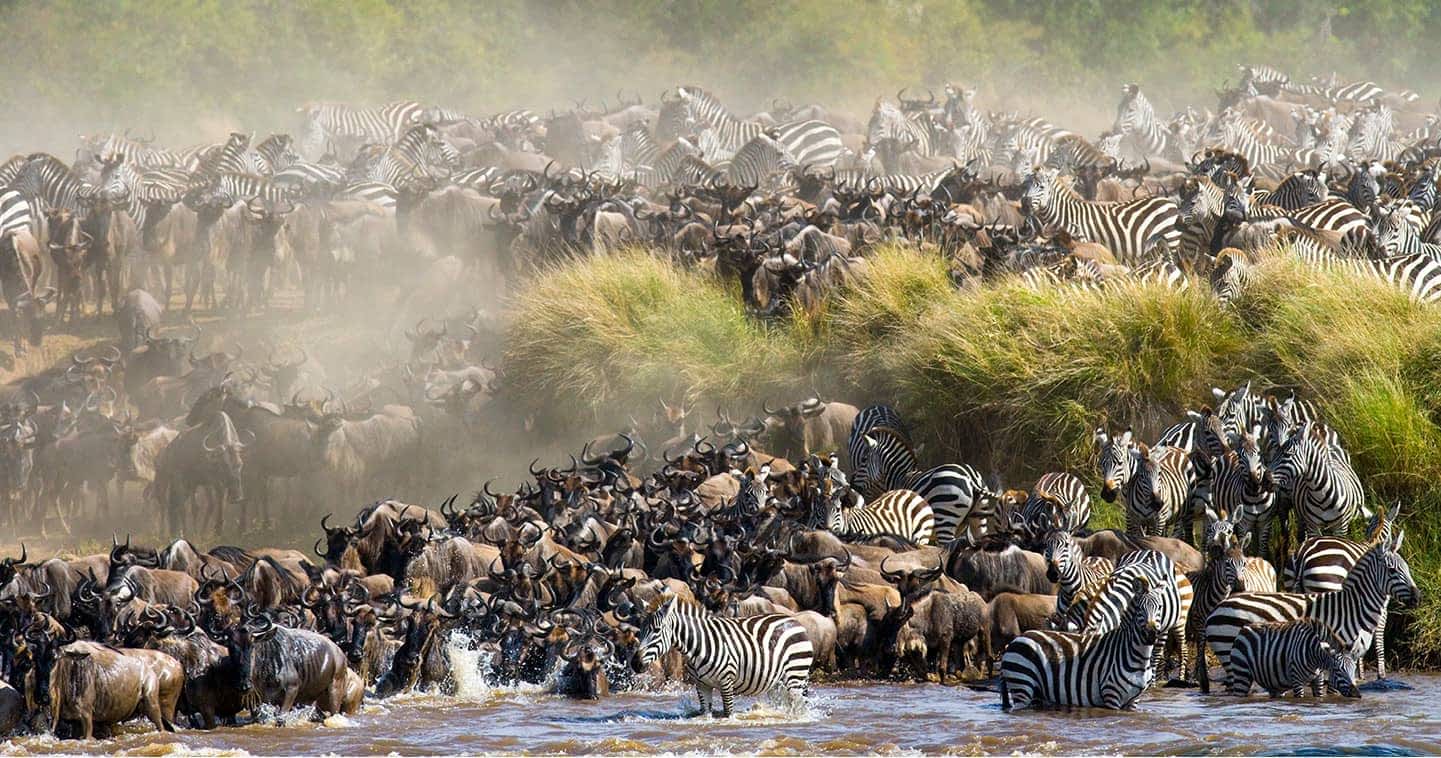
Serengeti National Park
The Serengeti is the world's most celebrated safari destination and the stage for the Great Migration. Its vast, golden plains stretch to the horizon, teeming with predators and prey in an endless cycle of life.

Ngorongoro Crater
The Ngorongoro Crater is a UNESCO World Heritage Site and the world's largest unbroken volcanic caldera. Its fertile floor supports an astonishing density of wildlife, including the endangered black rhino.

Mount Kilimanjaro
Africa's highest peak rises majestically to 5,895 metres, drawing trekkers from around the world. The climb passes through five climate zones, from lush rainforest to the glaciers of the Uhuru Peak summit.

Tarangire National Park
Famous for its massive elephant herds and iconic baobab-studded landscapes, Tarangire is a dry-season favourite that offers superb game viewing with far fewer crowds than the Serengeti.

Zanzibar
The Spice Island of Zanzibar is East Africa's premier beach destination, combining pristine white-sand beaches with the rich cultural heritage of Stone Town, world-class diving, and aromatic spice plantations.

Lake Manyara National Park
This compact gem nestled beneath the Great Rift Valley escarpment is famous for its tree-climbing lions, large troops of baboons, and spectacular flocks of flamingos along the alkaline lake shore.

Nyerere National Park (Selous)
Africa's largest protected area offers a truly wild, uncrowded safari experience. Boat safaris on the Rufiji River, walking safaris, and superb wild dog tracking make Nyerere utterly unique.

Arusha National Park
A beautiful mosaic of habitats in the shadow of Mount Meru, Arusha National Park is perfect for walking safaris, canoeing on Momella Lakes, and a gentle introduction to Tanzania's wildlife.

Ruaha National Park
Tanzania's largest national park is a rugged, remote wilderness where massive elephant herds, large lion prides, and excellent predator sightings await those willing to venture off the beaten track.

Mikumi National Park
Often called the 'mini Serengeti' for its open grasslands, Mikumi is the most accessible southern circuit park and offers reliable Big Five sightings just a few hours from Dar es Salaam.
ℹ️ Practical Travel Information
Currency
Tanzanian Shilling (TZS). US Dollars are widely accepted at hotels, lodges, and for park fees. Cards are accepted at larger establishments, but carry cash for markets and smaller businesses.
Language
Swahili (Kiswahili) and English are the official languages. Swahili is spoken by nearly everyone, and English is widely used in tourism, business, and education. Learning a few Swahili phrases — jambo (hello), asante (thank you), karibu (welcome) — is greatly appreciated.
Timezone
East Africa Time (EAT), UTC+3. Tanzania does not observe daylight saving time.
Electricity
230V, 50Hz. Power outlets are Type D and Type G (British three-pin). Bring a universal adapter. Power cuts can occur, but safari lodges and camps typically have generators or solar power.
🛂 Visa & Entry
Most nationalities require a visa to enter Tanzania. E-visas can be obtained online in advance through the Tanzania Immigration Services website, or visas on arrival are available for many nationalities at major entry points. A single-entry tourist visa is typically valid for 90 days. Your passport must be valid for at least six months beyond your arrival date.
💊 Health & Safety
Yellow fever vaccination is required if arriving from an endemic country (including Kenya). Recommended vaccinations include Hepatitis A & B, Typhoid, and routine boosters. Malaria is present throughout Tanzania — prophylaxis is strongly recommended, along with insect repellent and long-sleeved clothing in the evenings. Consult your travel health clinic at least 6-8 weeks before departure.
🌤️ Best Time to Visit
Tanzania is a year-round safari destination, but the experience varies with the seasons. The dry season (June to October) is generally considered the best time for game viewing, as animals congregate around water sources and vegetation is thinner, making wildlife easier to spot. This is also prime time for the Great Migration river crossings in the northern Serengeti. The short dry season (January to February) offers excellent game viewing with fewer crowds and green landscapes. The long rains (March to May) see some lodges close, but the southern Serengeti calving season (January to March) is spectacular. Kilimanjaro is best climbed in January-March or June-October. Zanzibar is wonderful year-round, though the driest months are June to October and December to February.
✈️ Getting There
Tanzania's main international airports are Julius Nyerere International Airport (DAR) in Dar es Salaam and Kilimanjaro International Airport (JRO) near Arusha. JRO is the gateway to the northern safari circuit and Kilimanjaro. Zanzibar's Abeid Amani Karume International Airport (ZNZ) also receives some international flights. Major airlines serving Tanzania include Ethiopian Airlines, Kenya Airways, KLM, Turkish Airlines, and Qatar Airways.
🚗 Getting Around
Light aircraft flights between parks are the most popular and time-efficient way to travel on safari, offering stunning aerial views. Alternatively, overland safaris in custom 4x4 vehicles with pop-up roofs are a wonderful way to see the landscape between parks. Scheduled and charter flights connect all major parks and Zanzibar. Ferries link Dar es Salaam to Zanzibar (approximately 2 hours). Domestic roads vary in quality; travel between parks is best arranged through your safari operator.
❓ Frequently Asked Questions
Ready to Explore Tanzania?
Let our expert team craft your perfect Tanzania safari itinerary — tailored to your interests, budget, and travel dates.