


Ngorongoro Crater
The Ngorongoro Crater is Africa's Garden of Eden — a breathtaking volcanic caldera that shelters one of the densest concentrations of wildlife on the continent within its 260-square-kilometre floor.
Destination Guide
About Ngorongoro Crater
The Ngorongoro Crater is Africa's Garden of Eden — a breathtaking volcanic caldera that shelters one of the densest concentrations of wildlife on the continent within its 260-square-kilometre floor. Formed roughly three million years ago when a massive volcano collapsed inward, this UNESCO World Heritage Site is the largest unbroken, unflooded caldera in the world, measuring 19 kilometres across and with walls rising 600 metres above the crater floor. Step to the rim and gaze down at a self-contained paradise of grasslands, swamps, forests, and a shimmering soda lake teeming with flamingos — it is a sight that takes your breath away every single time.
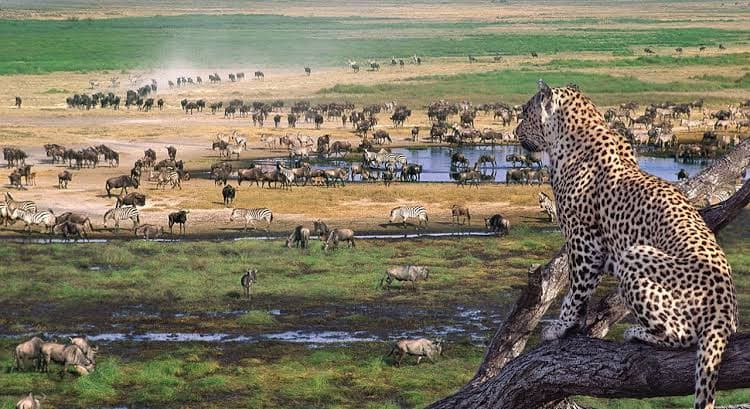
What makes Ngorongoro truly extraordinary is that approximately 25,000–30,000 large animals live permanently on the crater floor, including all of the Big Five. This is one of the most reliable places in Tanzania to see the critically endangered black rhinoceros, with an estimated 26 individuals residing here. Lions are abundant and remarkably relaxed around vehicles, elephants with magnificent tusks roam the Lerai Forest, and vast herds of wildebeest, zebra, and buffalo carpet the open grasslands. The crater's alkaline Lake Magadi attracts thousands of lesser flamingos, creating a pink haze against the green backdrop. Beyond the wildlife, the Ngorongoro Conservation Area is a living cultural landscape where Maasai pastoralists graze their cattle alongside wild animals — a unique coexistence found nowhere else on Earth. With C.A.T.S Safaris, you will descend into this natural amphitheatre in a 4x4 Land Cruiser for a day you will never forget.
Why Visit Ngorongoro Crater?
The Ngorongoro Crater delivers an almost guaranteed Big Five experience in a single day — a claim very few places in Africa can make. The crater's enclosed geography means wildlife cannot easily migrate away, resulting in extraordinary animal density and some of the best game viewing on the continent. For first-time safari visitors, Ngorongoro is the perfect introduction: compact, action-packed, and visually stunning. The sheer drama of descending the crater wall into a world untouched by time creates an emotional impact that words cannot capture. It is also one of the best places in East Africa to photograph black rhinos in the wild, with sightings far more frequent than in the open Serengeti. Families love the crater because the concentrated wildlife means children stay engaged — there is always something to see around every corner. Add in Maasai cultural encounters on the crater rim, visits to the legendary Olduvai Gorge (Cradle of Mankind), and seamless combination with the nearby Serengeti, and Ngorongoro becomes an essential stop on any Tanzania safari itinerary.
🦁 Wildlife Guide
Animals of Ngorongoro Crater
Black Rhinoceros
HighAround 26 critically endangered black rhinos reside on the crater floor, making Ngorongoro one of the best places in East Africa to spot this elusive species.
Lion
Very HighApproximately 60-70 lions live within the crater, forming several prides. They are well-habituated to vehicles and offer exceptional viewing and photography opportunities.
African Elephant
Very HighThe crater's elephants are famous for their enormous tusks. Herds are commonly seen in the Lerai Forest and along the crater's marshes.
African Buffalo
Very HighLarge herds of buffalo graze the crater grasslands, often numbering in the hundreds.
Leopard
ModerateLeopards inhabit the crater rim forests and occasionally descend to the floor. Sightings are possible but less frequent than other Big Five members.
Spotted Hyena
Very HighThe crater supports one of the densest hyena populations in Africa, and they are frequently seen both resting and actively hunting.
Hippo
Very HighThe Ngoitokitok Springs and Mandusi Swamp host pods of hippos that are easily observed from close range.
Lesser Flamingo
SeasonalThousands of lesser flamingos gather on Lake Magadi (the crater's soda lake), creating stunning pink formations visible from the crater rim.
Wildebeest
Very HighLarge herds of wildebeest are permanent residents of the crater floor, providing a constant food source for predators.
Golden Jackal
HighThe Ngorongoro Crater is one of the few places in Tanzania where golden jackals can be reliably seen on the open grasslands.
🎯 Activities & Experiences
Things To Do at Ngorongoro Crater
Crater Floor Game Drive
Descend 600 metres into the caldera for an unforgettable day surrounded by the Big Five, flamingos, and hundreds of other species in a natural amphitheatre.
Olduvai Gorge Visit
Walk in the footsteps of early humans at this world-famous archaeological site where 1.8-million-year-old hominid fossils were discovered by the Leakey family.
Maasai Boma Cultural Experience
Immerse yourself in Maasai culture — watch traditional dances, learn about herbal medicine, see cattle herding techniques, and purchase authentic beadwork. Available as an optional add-on ($25 per person).
Empakaai Crater Hike
Trek into this lesser-visited crater featuring a deep lake filled with flamingos, guided by armed Maasai rangers through stunning highland scenery.
Crater Rim Forest Walk
Explore the montane forest on the crater rim with a guide, spotting blue monkeys, bushbuck, and colourful turacos among ancient trees.
Coffee Farm Tour in Karatu
Visit a local coffee plantation in nearby Karatu town to learn about Tanzania's coffee-growing heritage and taste freshly brewed Arabica coffee.
Sunrise Photography at the Rim
Wake before dawn and head to the crater rim viewpoints for a magical sunrise over the caldera — watch mist rise as the crater floor slowly illuminates.
📅 When To Visit
Best Time to Visit Ngorongoro Crater
Dry Season
ExcellentJune – October
The best time for wildlife viewing as animals concentrate around water sources on the crater floor. Clear skies offer stunning photography conditions. Peak tourist season.
Green Season (Calving)
GoodJanuary – March
Wildebeest calving attracts predators, and the crater is lush and green. Flamingos are abundant on Lake Magadi. Fewer tourists and better rates.
Shoulder Season
GoodNovember – December
Short rains bring fresh greenery and migratory birds. Game viewing remains excellent and tourist numbers are moderate.
Long Rains
FairApril – May
Heavier rains can make crater descent roads challenging. Lower visitor numbers and reduced rates, but wildlife is still present. Some lodges offer significant discounts.
✈️ Getting There
How to Reach Ngorongoro Crater
Road from Arusha
Approximately 180 km (3-4 hours) from Arusha town via the paved road through Karatu. The scenic drive passes through lush highlands and the crater rim.
From Serengeti
About 145 km (3 hours) from Seronera in the Serengeti. Most C.A.T.S itineraries combine both destinations on the Northern Circuit.
Scheduled Flight
Fly to Lake Manyara airstrip from Arusha, then transfer by road (approximately 1.5 hours) to the Ngorongoro Crater rim.
C.A.T.S Safari Transfer
All C.A.T.S safari packages include 4x4 Land Cruiser transfers with experienced English-speaking driver-guides from Arusha or connecting from other parks.
💰 Park Fees
Entry Fees for Ngorongoro Crater
| Category | Fee (per person/day) |
|---|
* All park fees are included in C.A.T.S safari packages. Fees shown for reference only and may change without notice.
❓ Frequently Asked Questions
Ngorongoro Crater FAQs
🦒 Explore Our Safaris
Safaris Featuring Ngorongoro Crater


Ready to Experience Ngorongoro Crater?
Let our expert team craft your perfect Tanzania safari. 15 years of experience. Unbeatable local knowledge. Your adventure starts here.