Nairobi National Park – Wild Africa Minutes from the City
Wild Lions & Leopards Just Minutes from Downtown
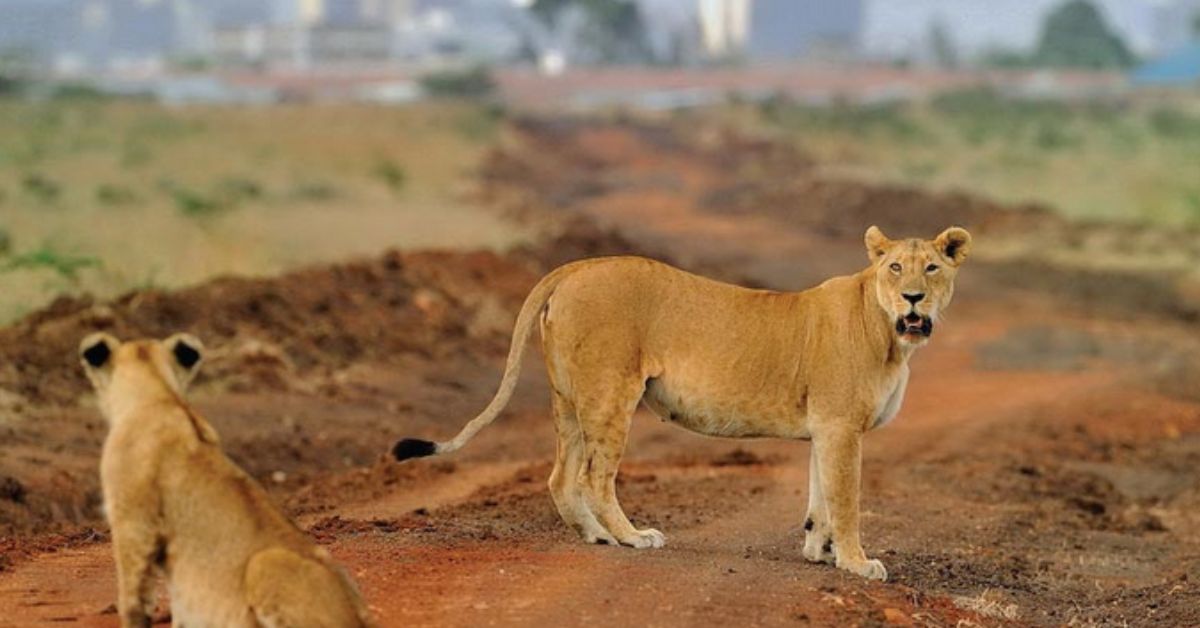
In very few world capitals can you enjoy breakfast at your hotel and, just minutes later, find yourself surrounded by lions, buffaloes, giraffes, and rhinos roaming freely in the wild. Nairobi National Park lies only 7 km (4 miles) from downtown Nairobi, yet it hosts an impressive diversity of wildlife including cheetahs, gazelles, hyenas, impalas, zebras, ostriches, and more.

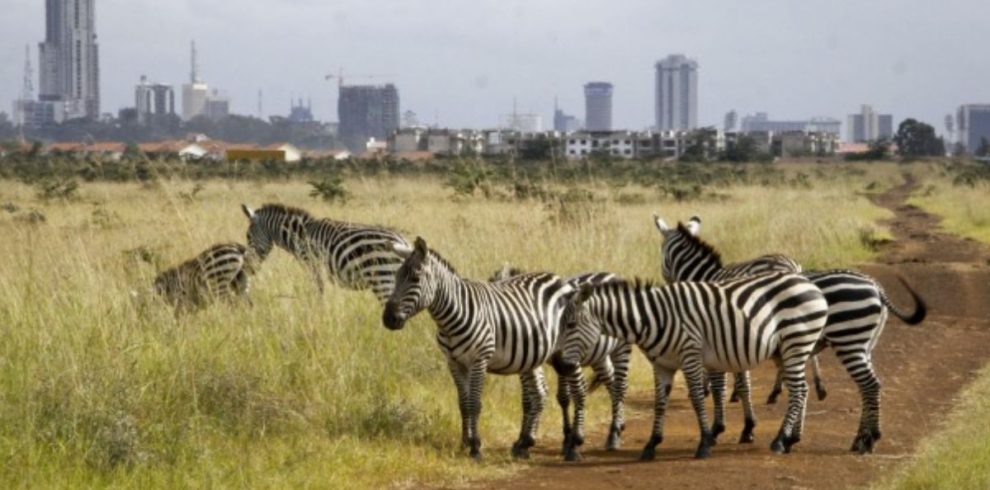
What makes this park truly unique is the dramatic backdrop of Nairobi’s skyline and aircraft descending toward Jomo Kenyatta International Airport. It’s a striking contrast—untamed wilderness set against a modern city—creating one of the most unforgettable safari experiences in the world.
Because of its proximity, Nairobi National Park is perfect for a half-day or full-day safari, allowing you to return to the city in time for afternoon relaxation.
Kifaru Ark – A Sanctuary for Rhinos
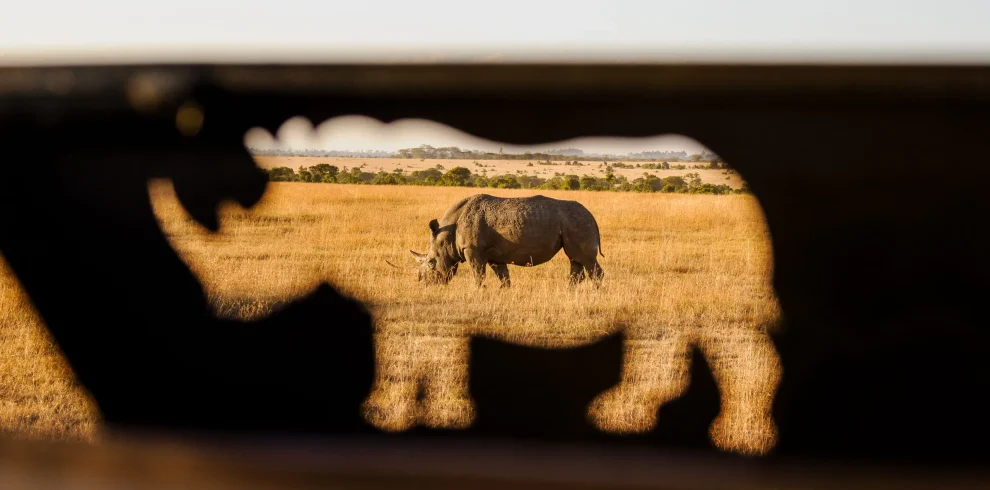
Kifaru means “rhinoceros” in Kiswahili, and Nairobi National Park proudly protects one of Kenya’s densest populations of endangered black rhinos. Thanks to strong conservation efforts, the park has become a key breeding ground, even supplying rhinos to other protected areas across the country.
The Great Wildebeest Migration (July–August)
Between July and August, visitors may witness a rare and spectacular sight—thousands of wildebeests and zebras moving through the park in search of fresh grazing. Seeing this ancient migration unfold against the distant city skyline is a once-in-a-lifetime experience.
Walking Trails & Birdlife

Beyond game drives, Nairobi National Park offers peaceful walking trails and picnic spots, making it feel like a city park with a wild twist. Look up and you’ll spot over 400 bird species, from soaring raptors to colorful woodland birds. It’s also common to see local school groups learning about wildlife conservation.
Highlights of Nairobi National Park
- Endangered Black Rhinos – One of the best places in Kenya to reliably see black rhinos in the wild.
- Four of the Big Five – Lions, leopards, buffaloes, and rhinos roam freely here.
- David Sheldrick Elephant Orphanage – Watch orphaned baby elephants and rhinos during feeding time.
- Ivory Burning Site Monument – A powerful symbol of Kenya’s commitment to wildlife conservation.
- Seasonal Wildebeest & Zebra Migration – Best seen between July and October.
A Brief History of Nairobi National Park
Established in 1946, Nairobi National Park is Kenya’s oldest national park. As Nairobi expanded in the early 1900s, wildlife habitats shrank, leading to declining animal populations. To protect them, over 30,000 acres were set aside as a sanctuary.
Today, despite its close proximity to the city, the park remains a vital refuge for iconic African wildlife and a global example of urban conservation success.
Nairobi National Park – Key Facts
- Size: 117 sq. km (45 sq. miles)
- Location: 7 km south of Nairobi city centre
- Climate: Average daytime temperature of 22°C (72°F)
- Best Time to Visit: July–March (dry season)
- Opening Hours: Daily from 6:00 am – 6:00 pm
- Getting There: Via Langata Road
- Tours: Full-day and half-day safaris available with Collective African Tours and Safaris (C.A.T.S)
Nairobi National Park FAQs
When is the best time to visit?
The best wildlife viewing is during the dry season from June to October, when animals gather around water sources and vegetation is sparse.
Where is the park located?
Just 7 km south of Nairobi city centre, making it the closest national park to a major capital city in the world.
Is accommodation available inside the park?
Most visitors stay in Nairobi and enjoy a day trip to the park, which is ideal for first-time safari travelers or those on a budget.
What are the opening hours?
The park is open daily from 6:00 am to 6:00 pm.
How many lions live in Nairobi National Park?
A 2019 official count estimated approximately 36 lions, known for their rare coexistence near an urban environment.
What animals can I see?
Lions, rhinos, giraffes, zebras, buffaloes, antelopes, hyenas, warthogs, and over 400 bird species.
Are there elephants?
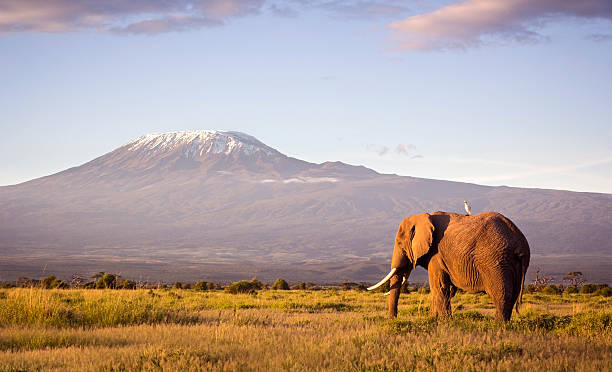
Adult elephants do not roam freely in the park, but baby elephants can be seen at the David Sheldrick Elephant Orphanage. For large elephant herds, Amboseli and Tsavo are recommended.
How can I visit the park?
The easiest and most enjoyable way is to book a guided safari with Collective African Tours and Safaris (C.A.T.S), offering expert guides, custom itineraries, and comfortable 4×4 vehicles.
Half-Day & Full-Day Nairobi Safari Excursions
Only minutes from your hotel, you can be surrounded by roaming lions, rhinos, hippos, and zebras—all with Nairobi’s skyline in the distance. Collective African Tours and Safaris (C.A.T.S) offers unforgettable half-day and full-day excursions to this remarkable urban wildlife sanctuary.