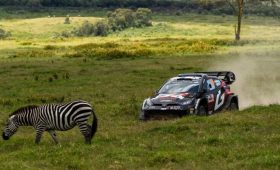
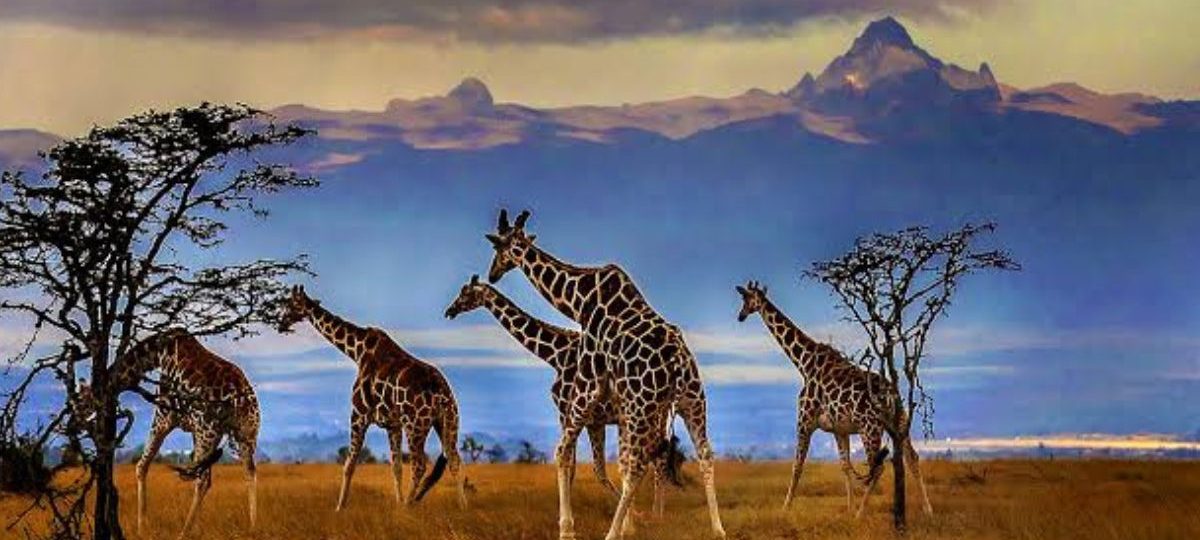
When people imagine an East African safari, iconic names like the Masai Mara, Serengeti, and Amboseli usually come to mind. These legendary national parks are famous for their vast landscapes and abundant wildlife. However, there’s another side of safari travel that many visitors are less familiar with—private and community conservancies found across Kenya and Tanzania.
Conservancies are carefully protected wildlife areas that exist alongside national parks, playing a vital role in conservation, community empowerment, and sustainable tourism. Understanding the difference between national parks and conservancies can help you design a safari that truly matches your expectations.
At Collective African Tours & Safaris (CATS), we believe the best safaris come from informed choices—so let’s explore how these two conservation models compare.
Ownership and Management: Who Protects the Land?
One of the biggest differences lies in who owns and manages the land.
- National Parks and Game Reserves are owned and administered by government wildlife authorities. They operate under national regulations designed to protect wildlife on a large scale.
- Conservancies, on the other hand, are typically owned by local communities—most commonly the Maasai people—or by private landowners who lease the land from indigenous groups.
In conservancies, communities actively participate in conservation, earning income from tourism while preserving their cultural heritage and traditional lifestyles. This partnership has proven incredibly effective in restoring wildlife habitats and reducing human–wildlife conflict.
Rules, Access, and Safari Flexibility
Because national parks are governed by national authorities, they follow strict regulations:
- Park entry is usually limited to sunrise to sunset
- Night game drives are not allowed in most national parks
- Off-road driving is prohibited, meaning vehicles must stay on designated tracks
- Visitor numbers are rarely capped, which can lead to crowding—especially during peak seasons or popular sightings
That said, national parks often offer access to extraordinary natural events that cannot be replicated elsewhere. A perfect example is the Great Migration river crossings, which occur within the Masai Mara National Reserve between July and October—an awe-inspiring spectacle exclusive to the park.
What Makes Conservancies Special?
Conservancies operate with a different philosophy—low impact, high quality experiences.
To protect wildlife and maintain exclusivity:
- Visitor numbers are strictly limited
- Lodges and camps are small and thoughtfully placed
- Guides are allowed off-road driving for better wildlife viewing
- Night game drives, guided walking safaris, and bush meals are permitted
These freedoms create a quieter, more intimate safari experience with fewer vehicles and more meaningful wildlife encounters. You might track lions at dusk, walk with a Maasai guide at sunrise, or enjoy dinner under the stars—experiences not possible inside national parks.
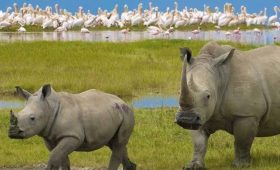
Conservancies such as Ol Pejeta have also become leaders in rhino conservation, anti-poaching efforts, and habitat restoration.
Are There Any Limitations to Conservancies?
While conservancies offer exceptional experiences, they are typically smaller than national parks. This means:
- Some large-scale wildlife events may not occur there
- Certain species or landscapes may be better seen inside national parks
Because of this, conservancies are often best enjoyed in combination with national parks, rather than as a replacement.
The Ideal Safari: Why Not Both?
For many travelers, the perfect safari blends the scale and drama of national parks with the intimacy and flexibility of conservancies.
You might witness the thunder of wildebeest in the Masai Mara, then retreat to a peaceful conservancy where crowds disappear and the bush feels all your own.
At Collective African Tours & Safaris (CATS), we specialize in crafting personalized safari journeys that balance these experiences—tailored to your interests, travel style, and wildlife wish list.
Popular Kenya Parks and Conservancies to Explore
Some of the most remarkable destinations include:
- Nairobi National Park – Wildlife encounters just minutes from the city
- Amboseli National Park – Iconic elephants with Mount Kilimanjaro views
- Masai Mara National Reserve – Home of the Great Migration
- Lake Nakuru National Park – Flamingos and rhino sanctuary
- Lake Naivasha – Birdlife, boat safaris, and walking opportunities
- Ol Pejeta Conservancy – Leading rhino conservation area
- Tsavo East National Park – Vast landscapes and red elephants
- Tsavo West National Park – Rugged scenery and diverse ecosystems
- Hell’s Gate National Park – Unique walking and cycling safaris
Let’s Design Your Perfect Safari
There’s no single “right” way to experience East Africa—only the way that feels right for you. Whether you’re drawn to legendary national parks, exclusive conservancies, or a thoughtful mix of both, Collective African Tours & Safaris (CATS) is here to guide you.